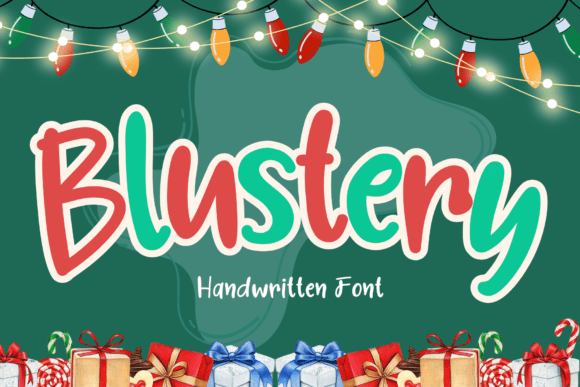
Blustery: The Fun Handwritten Font for Authentic Branding
I was staring at a blank brand board last Tuesday, trying to crack the visual identity for a local artisanal coffee roaster who wanted to stand out in a sea of minimalist sans-serifs. The client needed something that felt human, approachable, and full of energy without losing professional polish. That's when I pulled Blustery from my library. As a designer, finding the right typeface is often about matching the mood of the product, and this Script Handwritten style immediately brought the playful authenticity the project demanded. It wasn't just about picking one of those standard Fonts; it was about finding a voice that could speak directly to the customer through logos, packaging, and digital ads.
Creating Playful Logos with Blustery for Small Business Branding
When working on logo design, especially for creative studios or boutique shops, the first few seconds of recognition are crucial. Blustery shines here because it embodies playfulness and authenticity right out of the box. In my initial sketches for the coffee brand, I tested several variations, but the organic flow of this Script Handwritten typeface gave the mark a hand-crafted feel that vector-perfect geometric fonts simply couldn't match. Using Blustery as the primary logotype allowed us to create a symbol that felt personal, as if the owner had signed it themselves. This approach works incredibly well for businesses where trust and human connection are key selling points, making it a top choice among versatile Fonts for modern branding projects.
The beauty of this font lies in its irregularity. It doesn't try too hard to be perfect, which paradoxically makes it look more professional in contexts that value creativity over corporate rigidity. Whether you are designing a badge for a bakery or a monogram for a lifestyle blog, Blustery provides that essential spark of personality. It serves as an excellent display font that grabs attention on business cards and storefront signage, ensuring the brand name sticks in the viewer's mind.
Designing Eye-Catching Packaging and Product Labels with Blustery
Moving from the logo to the physical product, the challenge shifts to maintaining that energy on a smaller scale. For the coffee bags and skincare jars I often design, Blustery proves to be the perfect choice for all your favorite projects involving tactile materials. The strokes have enough weight to remain legible on curved surfaces like jars or crinkled paper bags, which is a common pitfall for thinner script fonts. When applying this Script Handwritten style to product labels, the result is an inviting aesthetic that encourages customers to pick up the item. It transforms a generic container into a curated experience, proving that the right Fonts can elevate perceived value instantly.
In this specific case, I used Blustery for the flavor names and key ingredients, pairing it with a clean, neutral sans-serif for the nutritional facts and legal text. This contrast creates a clear visual hierarchy; the eye is drawn first to the playful typography, establishing the brand's fun tone, before settling on the necessary information. This technique is vital for packaging design, where shelf impact determines sales. If you are launching a handmade shop or a limited-edition product line, leveraging the authentic vibe of Blustery can make your packaging feel less like mass production and more like a special gift.
Elevating Social Media Graphics and Ads with Blustery Typography
Digital marketing requires speed and scroll-stopping power, and Blustery delivers both in spades. When creating assets for Instagram stories, Pinterest pins, or Facebook ads, the goal is to stop the thumb from scrolling. This Script Handwritten font cuts through the noise of polished, corporate imagery by introducing a sense of immediacy and realness. I recently used it for a series of promotional ads announcing a weekend sale, and the text felt urgent yet friendly, perfectly aligning with the campaign's goal. For content creators and marketers, having access to such adaptable Fonts means you can maintain brand consistency across different platforms without sounding robotic.
The versatility of Blustery extends to blog headers and website hero sections as well. It adds a layer of warmth to digital interfaces that often feel cold and sterile. By using it for pull quotes or section dividers, you guide the reader through the content with a gentle, human touch. It is particularly effective for invitations and greetings in a digital format, such as email newsletters or event landing pages, where the tone needs to be celebratory and inclusive. The font's ability to convey emotion makes it a powerful tool for engagement, turning passive viewers into active participants in your brand story.
Pairing Blustery with Modern Typography for Balanced Design Systems
No font exists in a vacuum, and the true test of a typeface is how well it plays with others. Blustery pairs exceptionally well with modern typography styles, particularly sturdy sans-serifs or classic serifs that provide a stable foundation. In my workflow, I often place this Script Handwritten font alongside a geometric sans-serif to create a dynamic tension between the organic and the structured. This combination ensures that while Blustery brings the flair and emotion, the supporting text maintains readability and professionalism. It is a strategy that works for everything from editorial design layouts to comprehensive brand guidelines.
When building a full brand identity, consistency is key. Using Blustery as an accent font for headlines and call-to-action buttons, while relying on a more neutral typeface for body copy, creates a balanced system. This approach prevents visual fatigue and ensures that the playful elements land with maximum impact. For designers working on diverse projects, from restaurant menus to app interfaces, understanding these pairing dynamics is essential. It allows you to stretch the utility of your font library, getting the most out of every purchase. Ultimately, Blustery is not just a decorative element; it is a strategic asset that helps define the character of a brand, making it an indispensable addition to any creative toolkit.